
Types Tuesday
Interpretations of Christ
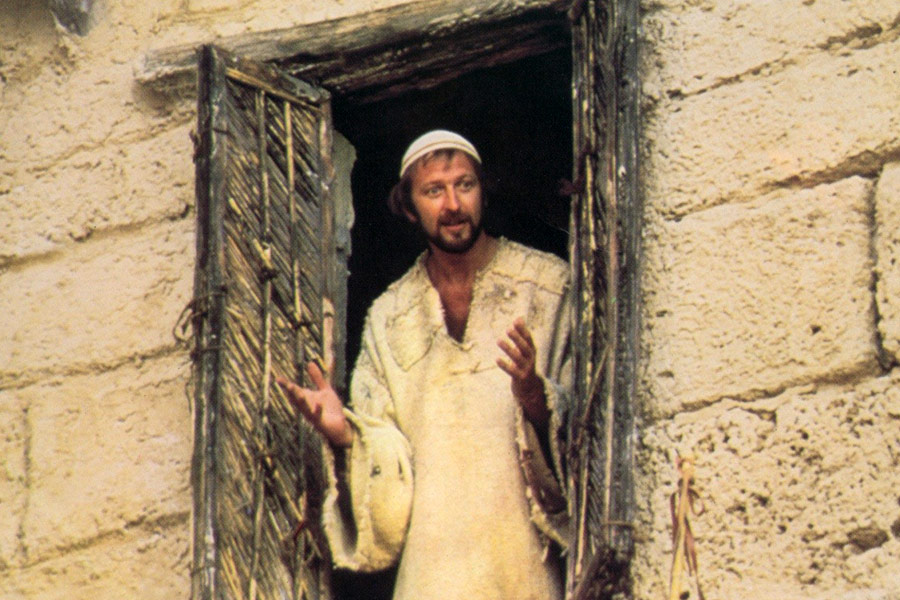 Jesus Christ means a lot of different things to a lot of different people. When his story is told, whether it be on stage or onscreen, it can be adapted in all kinds of ways. The tale of his death and resurrection is a Power of Idealism story, and different actors, writers and directors have reflected this in how they have portrayed Jesus in popular culture.
Power of Idealism Characters believe in having a heroic destiny, and Jesus had the most heroic destiny of all- he died for our sins. Everything he has done- from his birth, to his 40 days in the desert, to his ultimate sacrifice- is dramatic.
This does not mean he is a Power of Idealism Character, but it is understandable that many different cultural interpretations have leaned towards portraying him this way. Storytellers love drama, and there is no story more dramatic than the story of Christ’s final days, even though they do not necessarily revolve around a Power of Idealism Character.
The Story of Christ
 Coming into Easter Weekend, it seems like a good time to look at how Jesus’ story has been portrayed. It is “the greatest story ever told”, and with good reason. There are brilliant characters, conflict, tension and redemption- it even features a literal resurrection from the dead!
Each year, Easter Weekend reminds us of the story of Christ, which is an Epic Hero story, one of the three Power of Idealism stories, along with “separated lovers” and “coming of age”. There is nothing subtle about the Story of Christ’s final days- it is full of violence, betrayal and grand gestures including the resurrection of the Son of God.
There is a reason this is referred to as “The Greatest Story Ever Told”, and retellings, whether they are literal adaptations or creative reimaginings, focus on the melodrama and heightened emotions surrounding Christ, Barabas, Judas, Pontius Pilate, Mary Magdalen and other key players.
Focus on Power of Idealism
 There are more traditional tellings, such as The Passion of the Christ, and more liberal interpretations, such as Life of Brian and The Story of Us, which feature Christ-like figures who go through everything Jesus did in this story.
In literature, Mikhail Bulgakov’s The Master and Margarita adapts the story of “Jeshua Ha-Notsri” (Jesus of Nazareth) from the perspective of Pontius Pilate. In Television, the recent sitcom Rev. (more on that later this week) tells the Easter Story with a downtrodden vicar in the role of Jesus.
Actors from Michael Sheen, Tom Hollander, and Graham Chapman, to Jim Caviezel, Willem Dafoe, and Max Von Sydow, have taken the role and focused on different elements of Jesus’ character- be it his doubt, his acceptance or his suffering- but seem to give him a Power of Idealism personality.
His grand sacrifice is made out of love, but it is a dramatic gesture on a scale we have never seen since. Christ can be acted out in many different ways, but in relation to this most iconic Power of Idealism story, it’s understandable why so many popular portrayals make him Power of Idealism.
The Appeal of Jesus
The Easter Story can be interpreted in all kinds of ways across various mediums. Creatives can depict Jesus Christ however they want. But at its heart, there is this wonderful central figure who can never be clearly defined.
Much like Scripture, Christ is open to all kinds of interpretations, and this is why the same story can still feel fresh today. Christians have their own way of believing, the same way that storytellers have such unique takes on The Greatest Story Ever Told.



No comment yet, add your voice below!