
 Fear doesn’t just haunt a character. It runs them.
Most writers think of fear as something a character feels in a dramatic moment. But fear in a great story is structural. It is present in every scene. It is the yoke the character cannot escape — the secret dread they never want to acknowledge, the unspoken belief that they are somehow not enough, not safe, or destined to disappoint.
And here is the critical part: any decision a character makes based on fear is the wrong decision. Fear displaces values. It clouds judgment. It leads the character away from their highest nature and toward their worst self — step by step, scene by scene, until they are acting more and more like the antagonist.
In Wall Street, Bud Fox is terrified of being a failure in the eyes of his father. He is desperate not to be what Gordon Gekko called his first stock pick — “a dog with fleas.” That fear doesn’t stay inside him. It does things. It pushes him to pursue Gekko obsessively. It makes him cross ethical lines he would never otherwise cross. It makes him betray the very man he was trying to impress.
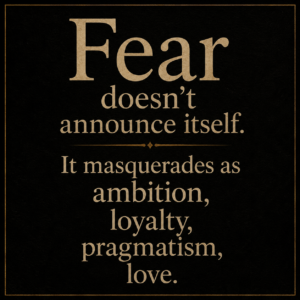
Fear doesn’t announce itself. It masquerades as ambition, loyalty, pragmatism, love.
Your job as a writer is to ask: what is this character actually afraid of? And how is that fear showing up in their choices right now, in this scene? If you can answer that question in every scene, you have a story with real dramatic drive. In the Nine Character Types® framework, Fear is one of the foundational elements of every Type — the specific, defining dread that shapes how a character sees the world and why they do what they do.
Character Type tells you not just what a character fears — but how that fear will destroy them if they never face it.
Buy How to Evaluate Stories HERE
No comment yet, add your voice below!